Skip to content

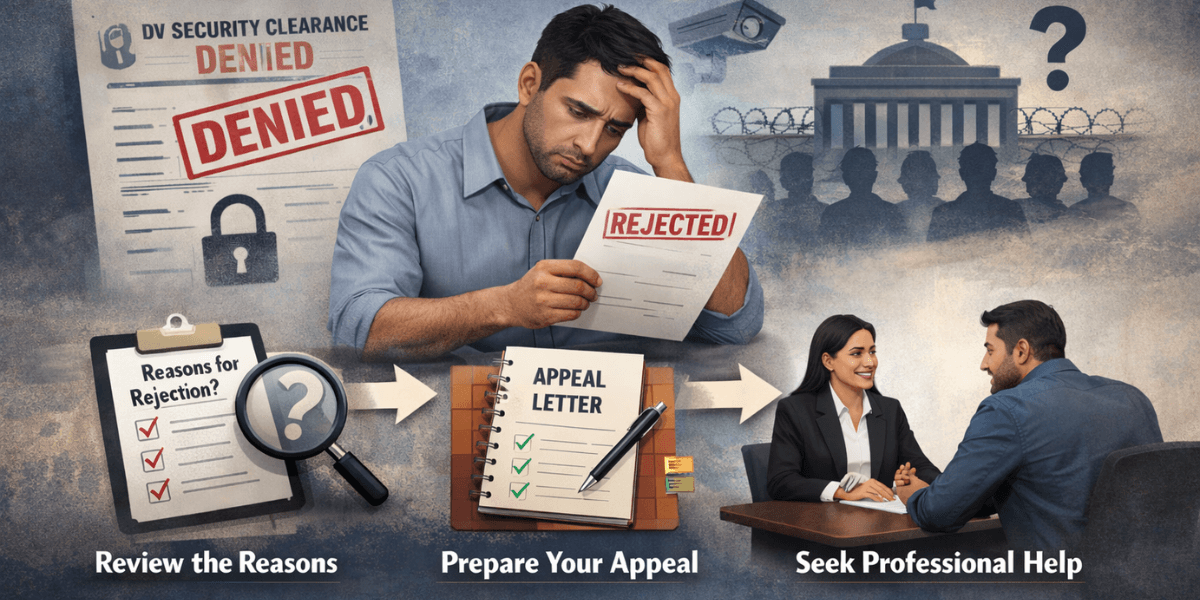
Being turned down for a high-level security role can feel upsetting and confusing at the same time. If you have failed security clearance at the Developed Vetting level, it is natural to worry about your career and next steps. Many people immediately start asking, “What happens if you fail security clearance?” and if there is anything they can do to challenge the decision.
This guide explains how security vetting in the UK works, what review request options may be available, and how you can prepare a strong case if you decide to move forward. The aim is to give you clear, practical information without legal language that makes things harder to understand.
What Developed Vetting Involves
Developed Vetting is the highest form of personnel security clearance in the UK. It is required for roles that involve access to highly sensitive Government systems, intelligence material, or secure locations.
What Gets Checked During DV
The process usually includes:
- A detailed personal questionnaire
- Interviews with trained vetting officers
- Checks into financial records and employment history
- Contact with personal and professional references
These steps are designed to assess risk, reliability, and trustworthiness over time, not just at a single moment.
Why Rejections Can Happen
Rejections do not always mean wrongdoing. Decisions can be based on concerns such as:
- Gaps or inconsistencies in personal information
- Financial pressure that could create vulnerability
- Previous workplace issues that were not fully explained
- Associations that require further clarification
Sometimes, applicants are not given full details due to national security limits, which can make the outcome harder to accept.
What To Do As Soon As You Receive The Decision
When you receive notice of a refusal, it is important to act calmly and methodically.

Read The Decision Letter Carefully
Your notification should explain:
- That your clearance has been refused or withdrawn
- If an internal review request process is available
- Any time limits for submitting an review request
Deadlines matter, and missing one could remove your right to continue the process.
Understand Your Employment Status
Appeal rights often depend on your role. People already employed in cleared positions usually have access to internal reviews. External job applicants may not be offered the same options, even if they reached late-stage recruitment.
Internal Appeals And What They Mean
Many departments allow an internal review request before you can take things further.
How Internal Reviews Work
An internal review request normally involves:
- Independent staff reviewing the original decision
- A chance for you to provide additional information
- Reassessment of risk based on updated evidence
This is not a repeat of the full vetting process, but it does allow for corrections and clarification.
Using Evidence To Strengthen Your Case
Providing documents can help support your explanation. This might include:
- Financial statements showing debt management
- Medical letters if health is affected by past behaviour
- Workplace references that clarify incidents
Focus on explaining how concerns have been addressed and why risks are now lower.
Appealing To The Security Vetting Appeals Panel
If your internal review request does not succeed, some applicants can apply to the Security Vetting Appeals Panel, often called SVAP.
Who Can Use SVAP
SVAP is usually available to:
- Civil servants
- Armed forces personnel
- Police and similar public sector roles
- Contractors already working within secure environments
It is not normally open to external job candidates who are not yet employed.
What Happens During An SVAP Appeal
The process generally includes:
- Submit a written notice of your review request
- Exchanging formal statements with your department
- Independent review of all evidence
SVAP does not make the final decision but provides recommendations that departments normally follow.
What To Include In A Strong Appeal
Keep Your Case Clear And Structured
A strong review request should:
- Stick to facts and timelines
- Address specific concerns directly
- Show positive changes since earlier issues
- Avoid emotional or defensive language
Think of your review request as a professional explanation, not a personal complaint.
In some cases, applicants become aware of errors during checks conducted by the background checker involved in employment screening stages. If you identify mistakes in records or references, raise them clearly and provide proof where possible.
Appeal Preparation Checklist
Use the table below to organise your preparation:
| Area Of Concern | What To Provide | Helpful Tip |
| Financial History | Bank records or payment plans | Highlight stability |
| Employment Issues | Manager statements or HR letters | Explain outcomes |
| Personal Conduct | Clarifying statements | Stay factual |
| Associations | Context and current status | Show distance if needed |
| Documentation | Copies of all submissions | Keep everything dated |
Waiting For The Outcome
After submission, waiting can feel stressful. Reviews can take several weeks or longer, depending on case complexity and departmental workload.
It helps to:
- Keep copies of all correspondence
- Follow up politely if deadlines pass
- Stay professional in all communication
Delays do not always mean rejection, and many cases require extended assessment.

What If The Appeal Is Unsuccessful
If the final outcome remains negative, you still have options.
Career Planning After Rejection
You may want to consider:
- Roles that do not require high-level clearance
- Building experience in related fields
- Re-applying after time has passed, if allowed
Clearance refusals are not permanent career labels, even though they may feel that way initially.
Emotional And Practical Support
Rejection can affect confidence and future plans. Talking with career advisers or professional mentors can help you regain direction and make informed choices.
Key Points To Remember
If you face a security clearance denial, it does not mean you have no path forward. Appeals exist to correct errors and reassess risks. Preparation, honesty, and clear documentation are your strongest tools when responding to a negative decision.
Understanding the process also helps reduce anxiety, as you know what to expect and how long each step may take.
Conclusion
Being told you cannot proceed with Developed Vetting is never easy, especially when you have invested time, effort, and hope into the role. Still, review requests exist to protect fairness and accuracy, and many applicants succeed when they present clear explanations and strong evidence.
If you have failed security clearance, take time to understand your options, meet all deadlines, and prepare carefully. Even if the final answer does not change, you will be better placed to plan your next steps with confidence and clarity.
If you need professional screening, The Background Checker offers expert UK criminal background checks for companies facing employment screening challenges.